Marknadsföreningen Sverige | Blogginlägg, Fördjupning och tips, Gästblogg
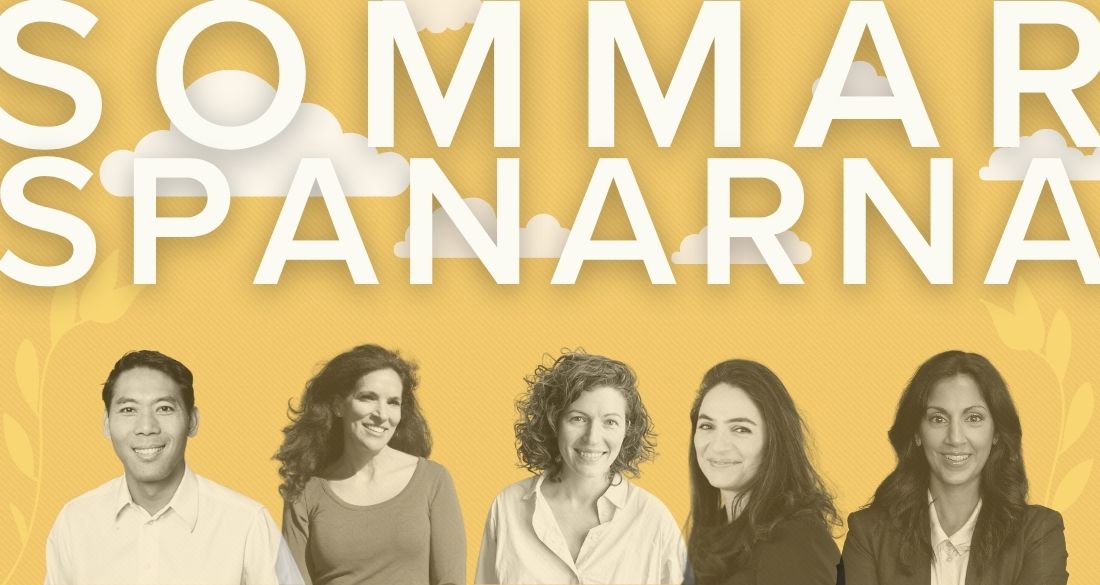
Sommarspanarna 2026
I vår intervjuserie Sommarspanarna checkar vi in med några personer vi mött i olika samband under våren. Här delar de sina spaningar inför resten av året och delar sina tankar och reflektioner. Och förstås, passar på att bjuda på sina bästa läs- och lyssningstips inför sommarhänget!
Teresa Hedlund, Head of Brand and Marketing, Telenor Sverige, samt vinnare av Årets Marknadschef 2026
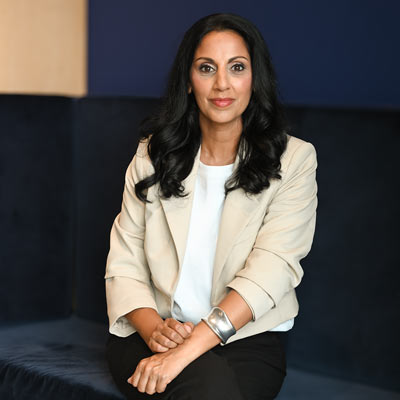
För mig är det mest intressanta inte att vi kan producera mer, utan att vi tvingas prioritera hårdare och bli tydligare i vad som faktiskt är värt att producera
Nu har de nya EU-direktiven om AI-märkning kommit – hur går dina tankar generellt just nu kring AI och hur det påverkar trust och autenticitet, och inte minst hur företag och organisationer bör anpassa sig?
– På Telenor ser vi redan hur AI-tekniken används i stora delar av verksamheten, och potentialen är stor – kanske den största vi sett på länge i branschen. Samtidigt går utvecklingen så snabbt att det fortfarande är svårt att veta vad som faktiskt blir bestående.
Det är lätt att tänka att allt förändras. Men jag tror att mycket av det som bygger effekt i kommunikation fortfarande är förvånansvärt stabilt.
AI förändrar hur vi producerar kommunikation, men inte nödvändigtvis vad som får människor att minnas och välja ett varumärke. Snarare tvärtom – det kan göra de principerna ännu viktigare. Ett av de mer intressanta samtalen från Cannes i år var mellan Mark Ritson och Byron Sharp. Ofta beskrivs de som motsatser, men här fanns en tydlig gemensam kärna: tillväxt byggs över tid genom konsekvens, tydliga varumärkestillgångar och uthållighet i vad man upprepar.
När AI gör det möjligt att producera mer innehåll blir konkurrensen om uppmärksamhet och minne ännu hårdare. Då handlar det inte om vem som kan skapa mest, utan vem som klarar att välja bort mest – och ändå hålla ihop sin kommunikation.
Trust/Förtroende är ett område som lätt blir förenklat i den här diskussionen. AI-märkning och transparens är viktiga, en självklarhet. Samtidigt är min uppfattning att förtroende inte byggs i själva etiketten. Förtroende byggs över tid, genom igenkänning, konsekvens och tydliga signaler på att det finns ett mänskligt omdöme bakom det som publiceras.
Ett av de mer intressanta samtalen från Cannes i år var mellan Mark Ritson och Byron Sharp. Ofta beskrivs de som motsatser, men här fanns en tydlig gemensam kärna: tillväxt byggs över tid genom konsekvens, tydliga varumärkestillgångar och uthållighet i vad man upprepar.
För mig är det mest intressanta inte att vi kan producera mer, utan att vi tvingas prioritera hårdare och bli tydligare i vad som faktiskt är värt att producera. Tekniken kommer fortsätta accelerera. Men spelplanen för varumärken känns i grunden ganska igenkännbar: konsekvens slår variation, och fokus slår volym.
Berätta om din bästa läs- eller lyssningsupplevelse hittills i år?
– Jag läser gärna både skönlitteratur och facklitteratur. Två böcker som gjort starkt intryck på mig i år är ”The Postcard” av Anne Berest och ”The Persians” av Sanam Malahoudji. På sängbordet just nu ligger boken ”Brain 2.0″ av Katarina Gospic. Sommar i P1 är också en självklar tradition. Ofta är det faktiskt de sommarpratare jag inte kände till sedan tidigare som ger de mest oväntade perspektiven.
Hur kopplar du av?
– Det är ganska okomplicerat och samtidigt livsviktigt att koppla från. Naturen har alltid spelat en viktig roll. Där får jag energi. Liksom genom träning, promenader och en riktigt god middag med människor jag tycker om. Att medvetet lämna skärmarna en stund är, för mig, en förutsättning för att kunna tänka klart och fatta bättre beslut.
Hur kopplar du på?
– För mig handlar det mycket om omvärldsbevakning. Inte bara marknad och kommunikation, utan inom produkt, tech och framförallt beteenden. Jag är nyfiken och lägger mycket tid på att förstå hur människor faktiskt fattar beslut – inte vad de säger att de gör, utan vad som styr deras val i praktiken. Det intresserar mig mer än enskilda trender: vilka signaler som påverkar oss, vad som får oss att välja ett varumärke framför ett annat och hur beteenden förändras över tid.
Vad händer på din kant just nu?
– Mycket just nu handlar om att försöka skapa konkret affärsnytta av nya möjligheter. Och det är lätt att fastna i allt som plötsligt går att bygga, testa och skala. Men den viktigaste frågan är ofta enklare: vad ska vi faktiskt lägga tid på, och vad ska vi låta bli?
I stora organisationer är det sällan idéer som saknas, utan förmågan att välja bort. Mindre brus, mer riktning. Färre initiativ, som alla hänger ihop, istället för många som pekar åt olika håll. Och självklart modet att stå fast vid en riktning tillräckligt länge för att den ska ge effekt.
Sommaren blir en välkommen paus. Jag ser fram emot ledighet med familjen i Norrland och Skåne.
När jag är tillbaka handlar det om att fortsätta arbetet vi är inne i, att utforska nya möjligheter, inte minst med AI, men också att vara tydliga i vad vi väljer att faktiskt driva vidare.
_________
Jonna Ekman, Marketing & Communications Director, Storykit

Jag kan inte komma tillbaka efter semestern och mjukstarta med att fundera, planera eller brainstorma. Nej, rätt in i elden bara, så jag skakar igång semesterhjärnan.
Nu har de nya EU-direktiven om AI-märkning kommit. Vilka är dina tankar om hur detta kan påverka rörligt innehåll framöver?
– Jag tror att AI-förordningen kommer att flytta fokus från om AI har använts till hur den har använts. Och det är en viktig skillnad. Jag upplever att de flesta företag använder AI för att bli mer produktiva och kunna kommunicera mer och oftare – inte för att skapa fejkat innehåll. Men det hindrar inte att våra flöden ändå är överfulla med snackande katter och presidenter som Jesusfigurer.
Därför tror jag att den mänskliga redaktionella kontrollen kommer att bli ännu viktigare framöver. AI kan hjälpa till att skriva, strukturera och producera innehåll, men någon behöver fortfarande ta ansvar för att innehållet är korrekt, relevant och faktiskt förtjänar mottagarens förtroende.
Jag misstänker därför att AI-märkning inte kommer att minska användningen av AI i rörligt innehåll. Däremot hoppas jag att den bidrar med mer transparens, tydligare avsändare och ett större fokus på redaktionellt ansvar. Det ser jag som något positivt – för i slutändan är det inte tekniken som ska bygga förtroende, utan människorna bakom kommunikationen.
AI kan hjälpa till att skriva, strukturera och producera innehåll, men någon behöver fortfarande ta ansvar för att innehållet är korrekt, relevant och faktiskt förtjänar mottagarens förtroende
Berätta om din bästa läs- eller lyssningsupplevelse hittills i år?
– Jag kapitulerade helt inför Sebastian Johans senaste alster ”Svanhopp: roman om död far”. En tung, men innerligt kärleksfull historia om en pojke och hans alkoholiserade far som sedermera går bort i sviterna av sitt missbruk. Rekommenderas varmt.
Hur kopplar du av?
– För att verkligen komma ner i varv behöver jag kombinera två motpoler: galen aktivitet och absolut vila. Och i år får jag både och! Vi börjar semestern genom att vandra i Frankrike med hela familjen, därefter åker vi till Åland, där jag är uppvuxen, och parkerar oss på en klippa resten av semestern.
Hur kopplar du på?
– Med åren har jag lärt mig att det bara finns ett enda sätt att komma igång efter semestern: att rulla upp ärmarna och börja göra. Gärna något superkonkret. Jag kan inte komma tillbaka efter semestern och mjukstarta med att fundera, planera eller brainstorma. Nej, rätt in i elden bara, så jag skakar igång semesterhjärnan. När den väl är igång lunchar jag gärna med branschkollegor och andra kvicktänkande personer i mitt nätverk för att även sätta fart på inspirationen.
Vad händer på din kant just nu?
– Vad händer inte? 🙂 Det går svindlande fort just nu. För Storykit har möjligheterna att hjälpa företag med kommunikation i sociala kanaler utvecklats i en rasande takt det senaste året, och det gäller att hänga med. Det är spännande att se hur snabbt vi går från att vara ett verktyg för video i sociala kanaler, till att kunna lösa betydligt bredare kommunikationsutmaningar – med hjälp av AI men med ett stort mått av redaktionellt ansvar. Exakt det tänker jag kasta mig in i efter att jag slappat klart på de åländska klipporna.
_________
Roshanak Fatahian, Client Director, Forsman & Bodenfors
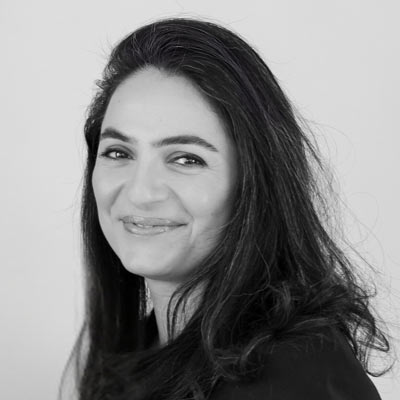
Jag kopplar på genom att vara ganska obekväm i informationsflödet och leta efter det som skaver lite i samtiden
Med de nya EU-direktiven för att märka upp AI-genererat innehåll, hur går dina tankar om trust och autenticitet, och inte minst vad det innebär för företag och organisationer?
– När de träder i kraft kommer vi gå in i en tid av förvirring, osäkerhet och frustration vilket är synonymt med all typ av förändring. Precis som GDPR eller andra typer av direktiv som införts. Vi kommer klara det!
När det kommer till tillit och autenticitet tycker jag det är viktigt att ha konsumenter i åtanke och vilken verklighetsbild vi målar upp. Inte var och en för sig, men tillsammans som en industri behöver vi ta vårt ansvar, och där är märkningen en viktig del. Vi som jobbar med att skildra världen, oavsett kommersiellt eller inte, behöver ta ansvar för hur vi påverkar människor.
Berätta om din bästa läs- eller lyssningsupplevelse hittills i år?
– Nu i VM-tider var det Erik Nivas artikel om Infantino som fotbollens värsta fiende fick mig att snurra in i det faktum att vi just nu spenderar tid på plattformar och tillställningar som helt saknar grund för värderingar. Som ägs och drivs av personer med egna agendor som inte viker sig för varken klimatet eller sociala rättigheter. Food for thought om var vi lägger våra pengar och vad som händer med de i det långa loppet.
Vi som jobbar med att skildra världen, oavsett kommersiellt eller inte, behöver ta ansvar för hur vi påverkar människor
Hur kopplar du av?
– Jag är alltid igång och måste tvinga mig själv att koppla av. Så jag springer för att koppla av. Utan telefon eller någon teknologi alls. Regeln är att aldrig känna smärta, så fort det gör ont måste jag springa saktare. Jag har ingen koll på min hastighet, puls eller utveckling och de flesta springer om mig förr eller senare.
Hur kopplar du på?
– Jag kopplar på genom att vara ganska obekväm i informationsflödet och leta efter det som skaver lite i samtiden. Det är ofta där friktionen finns som relevansen uppstår och där man kan börja få perspektiv.
Och för resten av 2026, vad händer på din kant?
– Resten av av 2026 kommer bli jättespännande. Det har varit en otroligt intensiv vår med pitcher och vinster som lagt grunden till hösten och vintern. Vi har väldigt många roliga projekt som ska se världen från F&B så nu gäller det att vila och samla energi för att köra på resten av året. Det kommer bli kul!
_________
Fredrik Gustafsson, PR-specialist, Ledarna
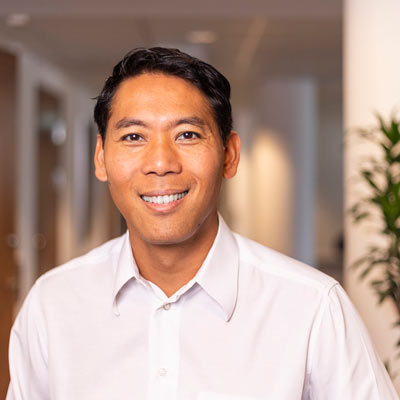
Grundregeln är precis som i all lyckad kommunikation: Gör bra saker. Berätta sedan om dem. Det bygger förtroende och engagemang.
Hur tänker du kring AI, förtroende och autenticitet just nu?
– Min grundtanke är att AI är värdelöst utan dig som avsändare. Jag ser AI‑verktyg som centrala för att hitta nya kreativa grepp inom kommunikation och research. Samtidigt märks det direkt om formuleringar blir generiska, eller om du publicerar innehåll som du inte kan svara upp mot. Grundregeln är precis som i all lyckad kommunikation: Gör bra saker. Berätta sedan om dem. Det bygger förtroende och engagemang.
Bästa läs- eller lyssningsupplevelse hittills i år?
– Jag har fastnat för NotebookLM, Googles AI‑verktyg där du kan samla underlag, länkar och källor och skapa poddar av materialet. Det har blivit ett nytt sätt att närma sig ämnen – inte minst för att förbereda sommarens semesterresa till Sicilien.
Just nu läser jag också The Paris Bookseller av Kerri Maher, som jag verkligen rekommenderar.
Hur kopplar du av?
– Jag kopplar av bäst när jag får byta tempo och miljö. Promenader hjälper mycket. Resor, konst, mat, vin, stadsmiljöer och träning fungerar också väldigt bra.
Hur kopplar du på?
– Jag håller mig uppdaterad genom att följa signaler från många håll samtidigt: nyhetsbrev, rapporter, poddar, LinkedIn, branschspaningar, samtal och det som bubblar i olika nätverk. Jag är särskilt nyfiken på det som ännu inte blivit en etablerad trend.
Vad händer på din kant just nu?
– Mycket kretsar kring hur AI, ledarskap och kommunikation möts i praktiken. Jag har ett drömjobb på Ledarna, där jag kombinerar PR och ledarskapsfrågor och programleder flera av våra webbinarier för medlemmar. Jag ingår också i två ledningsgrupper på Berghs inom AI: Content Engineering och AI Lead. Dessutom ser jag fram emot TEDxStockholms event i höst, där jag är styrelseledamot sedan tre år.
_________
Giselle Almonacid, Marketing Director, Omnicom Media

History suggests that society has a remarkable ability to adapt
Can you share your best reading or listening experience so far this year?
– I enjoy reading, but I especially enjoy listening to content about the future, technology, and trends, as well as history. As my grandmother used to say, ”there is nothing new under the sun.” Understanding the past does not give us all the answers, but it helps us make better sense on how the future may be.
Take the current debate around AI and robotics. Many people worry that technology will take over our jobs and leave too little work for everyone. It is a reasonable concern, but history suggests that society has a remarkable ability to adapt.
During the Industrial Revolution, machines transformed production, many professions disappeared, and factory work became the norm. Adults often worked 12 to 16 hours a day, six days a week, and even young children worked long hours. But workers organized, demanded better conditions, and eventually won the eight-hour workday.
Society adapted. People spent more time with their families, educated themselves, slept more, and enjoyed new forms of leisure and culture.
Perhaps AI and robotics will lead to a similar transformation. Instead of fearing a future with less work, maybe we should also consider the possibility that technology could give us back some of our time. Spending half of our waking lives working has never seemed like the ultimate goal of human progress.
The same applies to the discussion that there is too much work to do while teams keep getting smaller. Recently, while watching Downton Abbey, I noticed an interesting parallel. The staff often felt overwhelmed because they didn’t have enough time to polish all the silverware. The real issue wasn’t a lack of people, it was that nobody had questioned whether displaying and maintaining so much silverware was still necessary. It had become an outdated task, but tradition kept it alive.
The real value comes from looking at things through multiple lenses, understanding history, following emerging trends, and, above all, understanding people. When you combine those perspectives, you gain a much richer view of the world and are often better equipped to make sense of what might come next.
I think many organizations face similar challenges today. When resources become more limited, we tend to focus on how to do the same work with fewer people, rather than asking which tasks no longer create enough value to justify the effort. If budgets are reduced, perhaps the first question should not be ”How do we work harder?” but ”What can we stop doing?”
History is full of examples like this. For me, finding similarities between the past and the future is reassuring. It reminds me that while technology changes, human are fantastic adapters.
This year, I’ve been listening to P3 Historia, podcasts featuring Bill Gates and Neil deGrasse Tyson, as well as a Brazilian psychiatrist Ana Beatriz Barbosa.
I would say that what you read or listen to is less important than your ability to connect the dots. The real value comes from looking at things through multiple lenses, understanding history, following emerging trends, and, above all, understanding people. When you combine those perspectives, you gain a much richer view of the world and are often better equipped to make sense of what might come next.
How do you switch off?
It depends on the situation. If I’ve had an intense day at work and its winter, I love sitting on the sofa with my husband, listening to podcasts while colouring in an adult colouring book. I find it easier to concentrate when my hands are occupied.
During the summer, I enjoy going for long walks, usually with a podcast in my ears. It’s the perfect combination of movement, fresh air, and learning something new.
If I’m feeling particularly stressed, though, nothing works better than classical music. It has a way of slowing everything down and helping me find calm again.
One of the things I enjoy most is being around curious people
How do you switch on?
This may sound a bit cliché, but I genuinely love what I do. Even when I’m on holiday, I find myself looking at ads, exploring business trends, and paying attention to how companies communicate, especially when I’m in a different country. I always come back inspired by the different ways markets approach marketing and business.
One of the things I enjoy most is being around curious people. Hearing what others are working on, the challenges they are facing, and the ideas they are developing quickly sparks my own creativity. Finding solutions to problems and connecting unrelated ideas is something I genuinely find fun, which probably explains why it’s easy for me to stay engaged with my work, even outside office hours.
And I must confess that TikTok and Instagram are a great source of inspiration!
For the rest of 2026, what’s happening on your end?
There is a lot happening at work right now. With the acquisition of IPG, we have many new colleagues and clients to collaborate with. This week, the new team moved into our Omnicom Media office in Slussen, making us an even larger organization. That also means aligning processes, finding new ways of working together, and learning from one another. It’s a challenging but very exciting project, and a unique opportunity to build something stronger together.
We also have several exciting events coming up after the summer. In August and September, we’ll host Omnicom Media Days, a full week where leading media partners such as Amazon Ads, Spotify, Schibsted, and Bonnier join us to share insights, trends, and inspiration. We also have a dedicated Retail Media edition, bringing together partners like Lyko, ICA, and Stadium to discuss the latest developments in the rapidly evolving retail media landscape.
It is a fantastic time of year. These events always start new conversations, different perspectives, and opportunities to strengthen our partnerships and ways of working.
On a personal level, another big change is coming after the summer. All three of my children will have moved out, which means we will be entering a completely new phase of life with an empty house for the first time in 22 years. It will undoubtedly take some getting used to, but I see it as an opportunity as well. I’m sure I’ll need to find a few new projects to keep myself and my husband busy.
Transparency builds trust, and trust is ultimately what strong brands are built on
With the new EU regulations for tagging AI content, what are your thoughts on trust and authenticity and what this might mean for brands and businesses?
As I mentioned earlier in this interview, I often start by looking at the past when trying to understand the future. That’s also how I view the new EU regulations around AI generated content.
At the moment, I don’t see any major disadvantages to these rules, although I probably don’t know enough yet to have a fully formed opinion. What history does tell us, however, is that misinformation, propaganda, and manipulated content can have a profound impact on society. We don’t have to look very far back to find examples. The Cambridge Analytica scandal showed how data and digital tools could influence public opinion and potentially affect the outcome of elections. Had stronger regulations existed at the time, history might have unfolded differently.
For that reason, I generally believe that regulations designed to protect individuals and society are a step in the right direction. Transparency builds trust, and trust is ultimately what strong brands are built on.
For responsible brands, AI labels should not be a problem. Companies that value long term relationships with their customers are not trying to mislead anyone. In fact, being open about how content is created can strengthen credibility rather than weaken it.
We’ve seen similar changes before. More than twenty years ago, regulations required brands to give consumers an easy way to unsubscribe from marketing emails. At the time, some worried it would reduce their reach. Instead, it helped create healthier relationships between brands and consumers. The same may happen with AI transparency. Responsible brands have nothing to fear from being open and honest about how their content is created.
I see AI transparency in much the same way. In the long run, authenticity and honesty tend to benefit both consumers and brands. Those who are already acting responsibly will simply have another way to demonstrate that trustworthiness.
_________